
Auriga Space Awarded Phase 1 STTR From the Missile Defense Agency
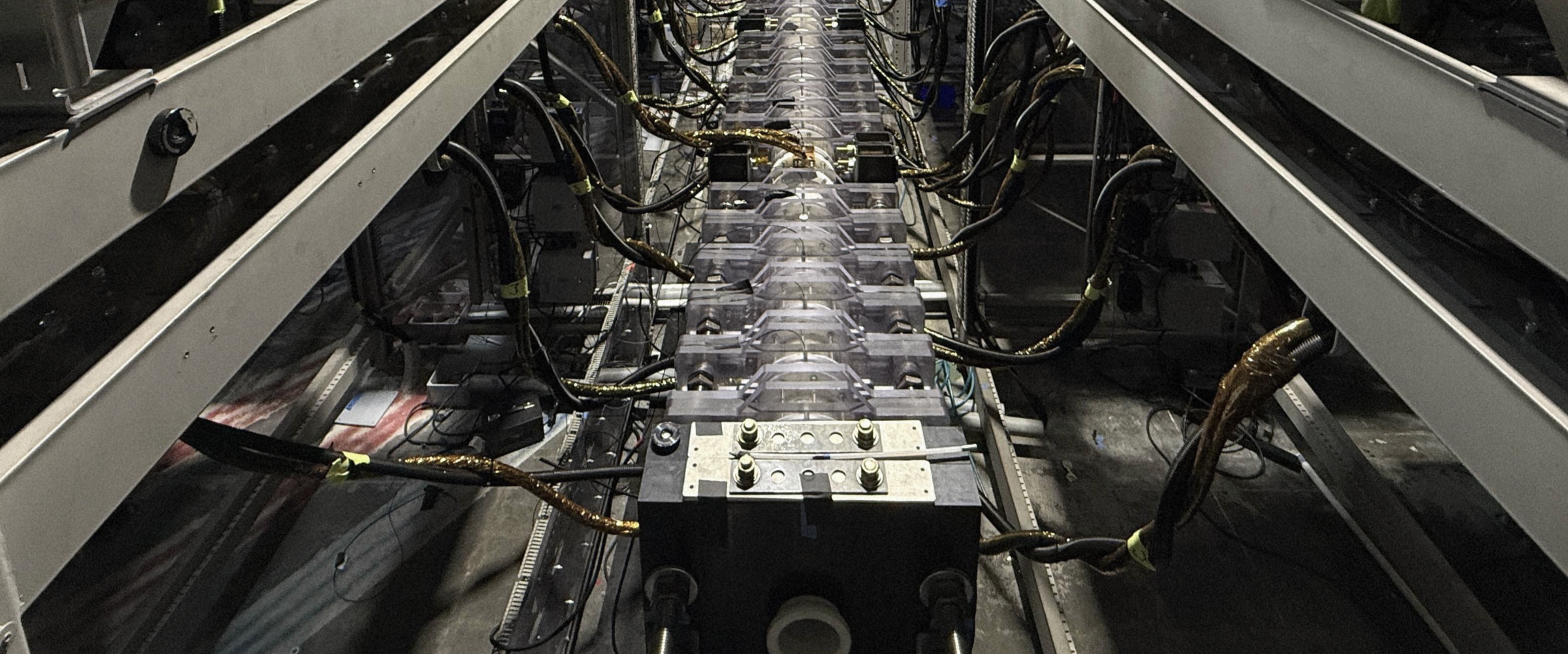
Top view of one of Auriga’s electromagnetic accelerators: Prometheus
Overcoming Challenges in Hypersonic Testing
Hypersonic weapons represent a grave threat to the American homeland. Their ability to reach speeds above Mach 5 and conduct unpredictable maneuvers make them extremely difficult for current US missile defense architecture to counter. Massive investments into hypersonic weapon systems by the People’s Republic of China and the Russian Federation make meeting the threat posed by this technology all the more urgent. A major barrier to preparing US missile defense systems to meet these emerging threats is a lack of proper hypersonic testing systems.
According to a 2021 Government Accountability Office report, over half of the nation’s high-speed test facilities are more than 50 years old. These facilities are oversubscribed and costly to operate, significantly slowing development cycles at a time of intense technological competition.
Auriga is actively seeking to address this challenge through its innovative electromagnetic test-bed technology. By leveraging technology similar to that used in maglev trains, Auriga is able to deliver a platform capable of providing realistic tests at a high-cadence and low cost. Auriga has already effectively demonstrated its technology through multiple accelerators built at its facility in Orange County, California.
Transforming Hypersonic Testing Together: Working with the Universities
The STTR award from MDA will play a crucial role in the advancement of Auriga’s next-generation electromagnetic accelerator for missile defense impact testing. This project will be supported by researchers from Purdue University and Texas A&M University.
"The Purdue hypersonic aerodynamics team is excited to work with Auriga Space on this Phase I opportunity from the Missile Defense Agency.” said Joe Jewell, John Bogdanoff Associate Professor of Aeronautics and Astronautics at Purdue University in a statement on December 8th, 2025. “Auriga's technology is well-suited for this application and my students are eager to explore the aerodynamic aspects of this challenge with them!"
"I'm excited to be partnering with Auriga Space for this critical effort,” added Nathan Tichenor, Chief Research Officer and Director of Hypersonic Facilities at the Bush Combat Development Complex at Texas A&M. “With the capabilities of the Texas A&M University System and the innovative technologies of Auriga, I'm confident this collaboration will lead to meaningful outcomes and contributions for the nation.”
“We are pleased to partner with two leading research institutions in support of hypersonic development,” said Winnie Lai, CEO of Auriga. “Together, we aim to deliver new test capabilities for the Missile Defense Agency that address emerging defense challenges.”
The successful completion of this STTR will confirm Auriga’s position as a major player in the future of hypersonic testing in the United States. Moreover, the development of an outdoor accelerator is next on Auriga’s strategic plan to transform propulsion for defense missions and the space economy.
Author: Auriga Space